
If you have ever watched a Cairns local fold a decent hand before the blinds jump, you have seen a classic icm poker mistakes moment in the wild. I have spent more than a decade designing transaction screens for sportsbooks and casino interfaces across Sydney, and the same discipline that keeps a payment flow honest applies here: misread the stack, misread the payout, and you pay for it. This is a practical look at where these errors show up, why they cost chips, and what to watch for before you push.
Where stack pressure turns into a costly fold
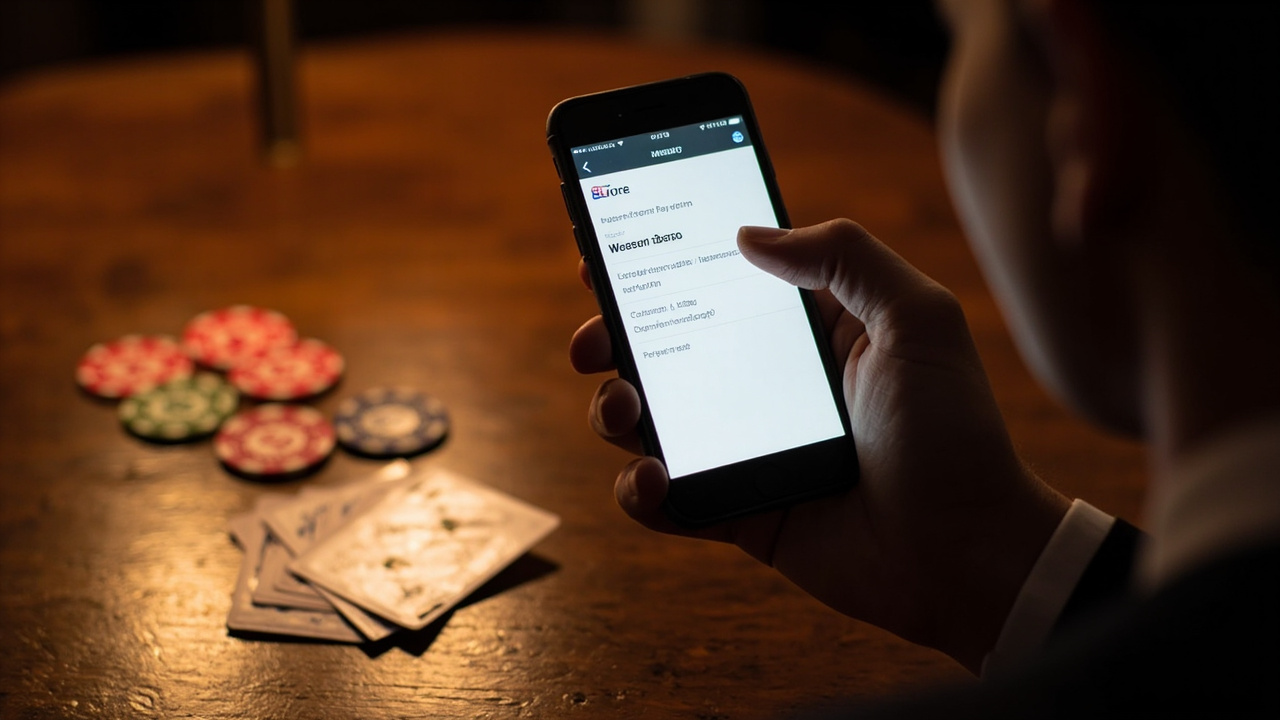
The first mistake is treating every tournament like a cash game, which sounds obvious until you are three levels deep and the payout curve starts bending. In a cash game you can rebuy and the pot odds tell the truth; in a tournament, the chip you lose near the bubble is worth more than the chip you gain, and that is where icm poker mistakes creep in. I have redesigned payout dashboards where the visual hierarchy made the jump from ninth to eighth place look small on screen, even though the real swing was substantial, and players who ignore that visual cue often make the same error at the table.
You also see it when players chase a marginal draw without checking their remaining coverage. A hand that would be a clear call with 40 big blinds can become a fold when you are short and the next pay jump is one seat away. The fix is simple but unglamorous: map your stack against the payout structure before you make a hero call, not after. That means knowing where the next milestone sits, how many players are likely to bust before you get there, and whether your hand actually beats the range that is folding to you.
Two moments where the maths gets personal
The bubble and the pay jump
The bubble is where the most expensive icm poker mistakes happen, because the pressure shifts from chip count to survival. A player who would ordinarily raise and steal with a wide range can end up folding too much, letting the blinds and antes eat them alive, or overplaying a medium hand because they are scared of the next pay step. I have sat through enough local sessions to know the pattern: someone tightens up so hard that they miss every opportunity, then complains when the antes start bleeding them down.
A better read is to identify the players who are short and desperate, then use that pressure rather than fight it. If a short stack is likely to shove wide to keep their tournament alive, you can sometimes call lighter with hands that dominate their range. If you are the one near the bubble, do not let fear turn a sound strategy into a folding habit. The payout structure is the compass here, and if you have not checked where the next pay jump lands, you are guessing with your chips.
Short stacks and the wrong push line
The second common trap is pushing too wide or too tight with a short stack, and both versions of that error show up as icm poker mistakes in the same session. Push too wide and you hand out free equity to callers who are getting a good price; push too tight and you let the blinds and antes take what you have left. The right line depends on your position, the stack depths around you, and how many players are likely to act behind you before the next pay milestone.
A quick way to think about it is to compare your fold equity against the actual price you are getting. With 10 big blinds or less, a push from late position can be a genuine weapon because the blinds have to call with a narrower range, but the same push from early position often gets called by hands that dominate you. The mistake is using one rule for every spot instead of reading the table around you. If you want a clearer picture of how payout jumps change the value of each chip, it helps to study the payout ladder on a site that lays it out plainly, like the one at jackpot jill, where the structure is easy to scan before you commit to a push. jackpot jill
What this means for the way you play on mobile
Most of these errors are not about the cards; they are about how the information reaches you when you are playing on a phone. A tournament lobby that hides the payout structure, buries the blind levels, or makes the stack-to-pot numbers hard to read at a glance is practically inviting icm poker mistakes. I have built payment and transaction flows where the priority was making the next action obvious on a small screen, and the same logic applies here: if you cannot see your stack, the blinds, and the next pay jump without squinting, you are already behind.
Responsiveness matters more than fancy animations. A mobile-first table should keep the blind timer, your chip count, and the payout milestones within a thumb’s reach, because the moments that cost you chips usually happen in a hurry. If the interface feels cramped, the navigation is buried, or the numbers shift around when the app refreshes, that is not just a design complaint – it is a real reason players misread a spot and make the wrong fold or push.
| What to check | Why it matters |
|---|---|
| Payout structure visible before the hand | Stops you from overvaluing chips near the bubble |
| Stack and blind numbers easy to read on mobile | Cuts misreads when the action is fast |
| Clear blind level and timer display | Helps you judge when the pressure is about to jump |
| Position and active players easy to track | Keeps push/fold lines realistic instead of generic |
How to keep these errors out of your game
The practical takeaway is that icm poker mistakes are usually information errors, not bad luck. Before you sit down, know the payout structure, know where the next pay jump sits, and know roughly how many players are between you and that milestone. During play, treat short stacks and bubble pressure as separate problems from a deep-stack cash game, because the maths changes and your instincts can lie to you. If you are playing on a phone, test the lobby and table view before you commit real money, because a cluttered screen is a quiet way to lose chips you did not mean to give up.
For players who like a clear payout ladder, a mobile view that keeps the key numbers in front of you, and a pace that lets you read the table before the blinds jump, this style of tournament play can fit well. For anyone who prefers a fast, chaotic grind with no attention to the payout curve, the same game will feel like a trap. Read the structure first, then let the cards do the rest – that is the difference between a calculated session and a string of avoidable folds.