
When you step into a baccarat lounge at a Adelaide casino or fire up the live tables after a long arvo shift, the real question isn’t luck – it’s how you manage your bankroll against a game that runs on fixed odds. I’ve spent two decades running esports operations, and the discipline looks identical: you map the risk, set your limits, and walk away when the numbers drift. The best casino strategy for baccarat starts with treating each session like a measured bet, not a chase. You weigh the commission on banker wins, the payout gap on ties, and your own stop-loss before the shoe even starts dealing.
What the table actually costs you per hand
Baccarat strips away most of the noise you find at other tables, which is exactly why it suits a disciplined approach. Every hand settles on player, banker, or tie, and the house edge sits quietly in the background rather than swinging with your every decision. The banker bet carries a five-percent commission on wins, but that small cut still leaves the lowest house edge on the layout. Player bets skip the commission entirely and run a marginally higher edge, while tie wagers pay out handsomely but carry a much steeper long-term cost. I’ve seen the same pattern across global betting markets and Stake.com partnerships: the products that survive are the ones where the maths stays visible and the rules don’t shift mid-session. When you sit down, write down your base unit, decide whether you’re targeting banker consistency or player variance, and commit to that lane for the whole shoe. Switching lanes after two losses is how a quiet edge turns into a drained balance. Keep your notes simple, track the commission you actually pay, and let the fixed odds do what they do instead of trying to outguess a game that already priced itself. You’ll find the same lobby structure on a well-run plinko online with high multipliers, where the game mix sits front and centre and you can spot the risk profile before you commit a single dollar.
How to size your bets and protect your balance
Sizing is where most players lose the plot, and it’s the part I treat exactly like tournament logistics: you plan the variables, you set the boundaries, and you stick to them when the heat rises. Start with a session bankroll you’re comfortable losing, then break it into units that sit between one and two percent of that total. If you’re working with two hundred dollars, your unit lands around two to four bucks, and you never push it because a shoe went cold. Flat betting keeps the maths honest, but if you prefer a light progression, cap the climb so a short losing run can’t eat your whole stack. I’ve run operations where a single bad quadrant could wipe a day’s margin, so I learned early that a hard stop-loss beats a hopeful recovery every time. Set a win target that lets you walk before the table turns, and set a loss limit that pulls you out before the arvo turns into a long night. The best casino strategy for baccarat isn’t about predicting the next card – it’s about making sure your balance survives long enough for the odds to play out the way they’re priced.
A plain-English run-through for beginners
If you’re new to the felt, keep it simple and treat the first few sessions like practice rather than a payday. Here’s a straightforward run-through you can use at a Adelaide venue or on a mobile screen. First, pick one bet type and stick with it for the whole shoe, because jumping between banker and player mid-stream just adds noise to your tracking. Second, write your unit size on a bit of paper before you sit down, and refuse to resize it because you feel confident or frustrated. Third, take note of the commission on banker wins so you don’t confuse a winning hand with a winning session – those are two different things. Fourth, set a stop point for both profit and loss, and honour it even when the shoe looks like it’s about to turn. Fifth, watch the pace of the table and step away if the tempo starts rushing your decisions. I’ve mentored plenty of greenhorns through product launches, and the ones who last are the ones who learn the rules first and chase the action second. When you treat each hand as a measured line item instead of a lucky break, you give yourself a cleaner shot at playing longer and leaving with your balance intact.
Start by setting a modest bankroll and focusing on the board’s layout before chasing big wins. You can refine your timing and pattern recognition by visiting https://plinko-online-au.com/ to explore plinko online with high multipliers. This low-pressure approach helps you build confidence while keeping the experience fun and manageable on any device.
Baccarat rewards patience more than prediction, and the players who last are the ones who size their bets, track their commission, and walk when the session drifts. Pick your lane, set your limits, and let the fixed odds run their course without forcing a narrative onto every hand.
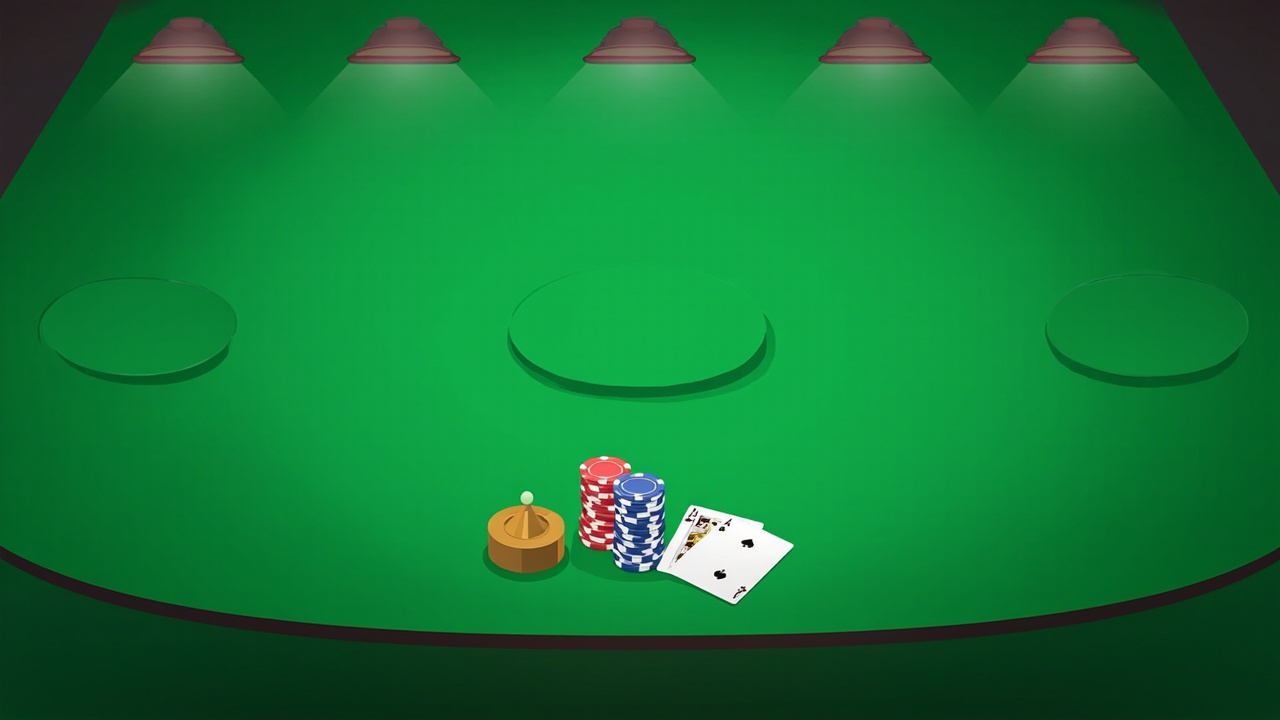
- Banker bet – wagering on the dealer hand, usually carrying a five-percent commission on wins but the lowest house edge on the table.
- Player bet – wagering on the non-dealer hand, with no commission but a slightly higher edge than banker.
- Tie bet – a side wager that both hands finish equal, paying higher odds but carrying a much steeper long-term cost.
- Commission – the small percentage deducted from banker winnings, which keeps the house edge in check without changing the payout structure.
- Unit – a fixed bet size you set before a session, used to keep your staking plan consistent across hands.